
Avionics & Autonomous Systems
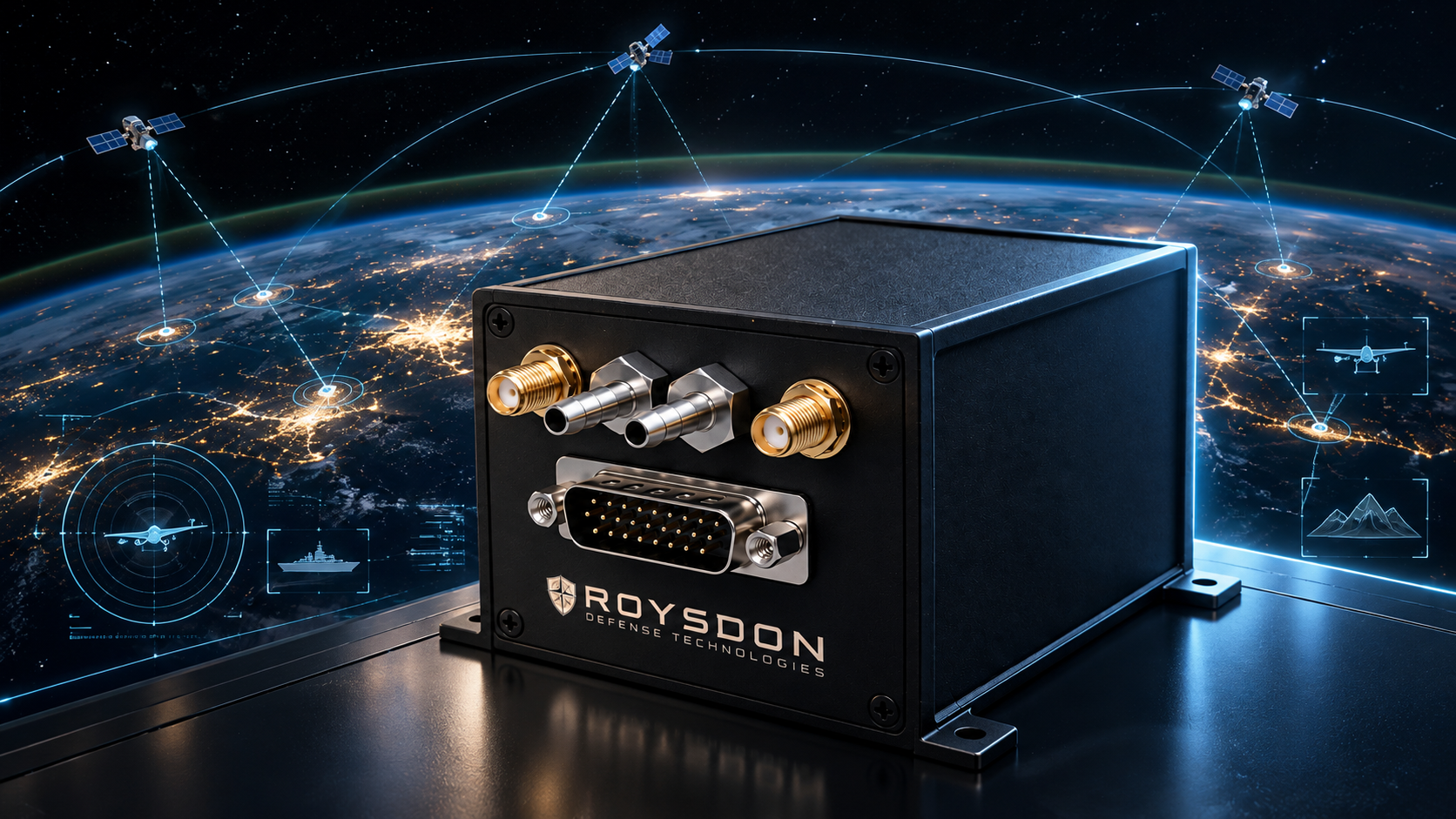
Avionics Design & Integration
RDT designs and manufactures avionics that connect guidance, flight control, navigation, secure communications, and onboard autonomy. We develop the mathematical methods, embedded software, electronics, and engineering models required to bring those functions into working systems.
Our avionics portfolio includes APEX autopilot technology, ICE-Nav estimation and sensor fusion, and adaptive secure communications. Customers engage RDT for product integration, control and navigation development, and aircraft-specific hardware and software engineering.
Our work extends through the interfaces that determine system performance: sensors, actuators, propulsion, communications links, and ground-station functions. Original research, hardware development, simulation, and flight-test experience inform that entire effort.
An operational record behind the product.
Our founder developed navigation and autopilot systems that are used across the U.S. Air Force, Army, Navy, with platform experience including the BQM-167, BQM-177, MQM-178, and others. This gives RDT a practical foundation for the next integration: experience with the aircraft, the onboard systems, and the consequences of their interaction.
Product & Portfolio Exemplars
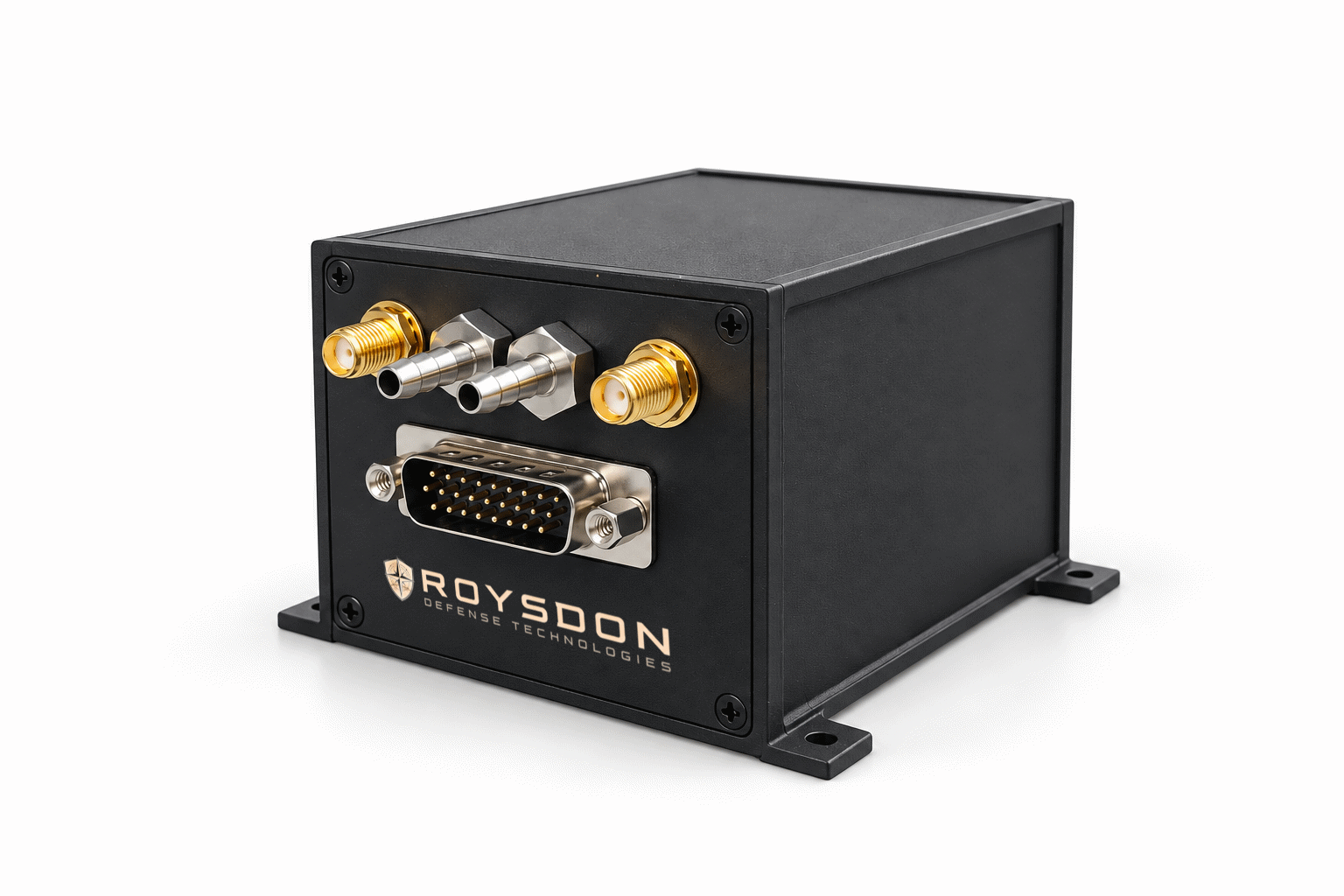
APEX Autopilot
APEX—Advanced Precision & Extreme Control—combines guidance, flight control, navigation, and autonomous mission functions in dedicated avionics hardware. It brings together nearly 15 years of development in control algorithms, embedded software, hardware integration, simulation, and testing.
Our control capabilities span classical methods and advanced nonlinear command-filtered backstepping control. Aircraft-specific models, control-law development, and simulation connect those methods to the dynamics and operating requirements of the vehicle.
Experience across conventional airplanes, delta wings, flying wings, helicopters, multicopters, and camera and sensor gimbals gives RDT a practical understanding of the interaction between the controller and the system it commands.
Our value is operational experience across the U.S. Air Force, Army, Navy, and many others.
ICE-Nav Navigation & Sensor Fusion
ICE-Nav—Information Correction & Estimation Navigation—implements RDT’s published research in fully nonlinear, sliding-window maximum-a-posteriori estimation, together with measurement-fault detection and removal.
The estimator uses information across a measurement window to reconstruct vehicle motion and evaluate the consistency of the observations supporting that solution. This connects state estimation and measurement-error handling within the same mathematical framework.
Integrated within APEX, ICE-Nav brings these methods into physical navigation hardware and real-time operation. RDT’s navigation engineering also addresses sensor selection, calibration, timing, error modeling, and alternative aiding sources for the intended operating environment.
Our value is operational experience across the U.S. Air Force, Army, Navy, and many others.

Adaptive Secure Communication
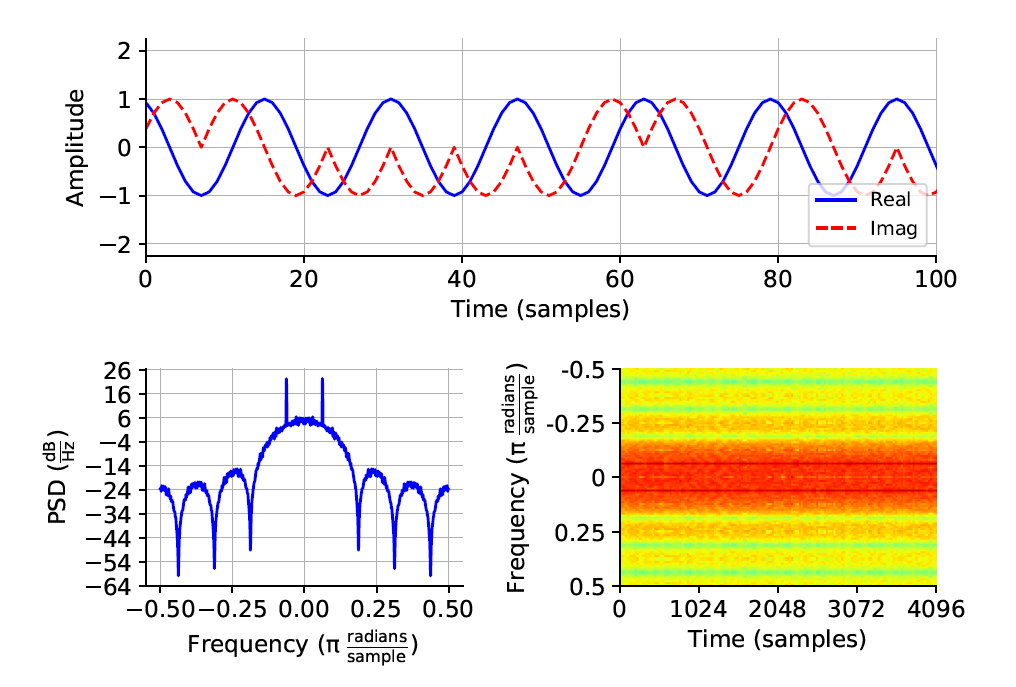
RDT’s demonstrated communications technology combines adaptive error-correction coding, encryption, and data recovery for command, control, and telemetry. The work addresses the reliability, integrity, and confidentiality of information exchanged between onboard systems and the ground station.
We develop communications as part of the avionics integration, accounting for the data being exchanged, the behavior of the link, and the requirements of the vehicle and operator. This connects embedded implementation with the broader mission-system cybersecurity work described on our AI & Secure Mission Systems page.
The result is an engineering capability spanning communications algorithms, onboard software, system interfaces, and evaluation.
Guidance and Control Modeling
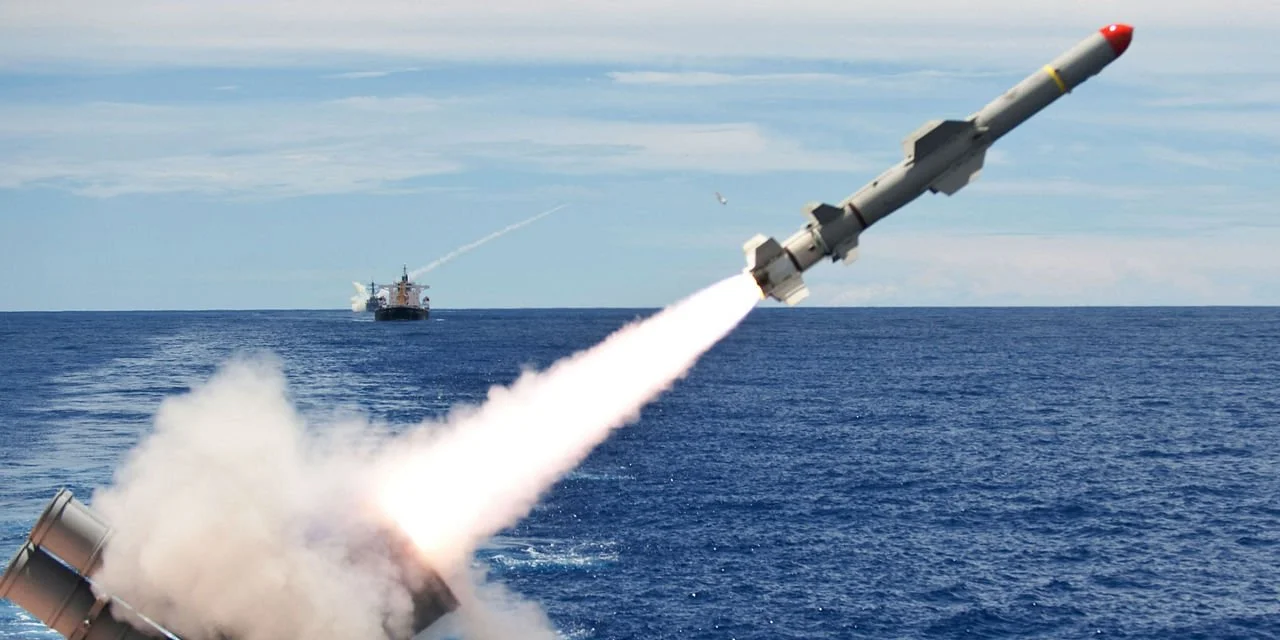
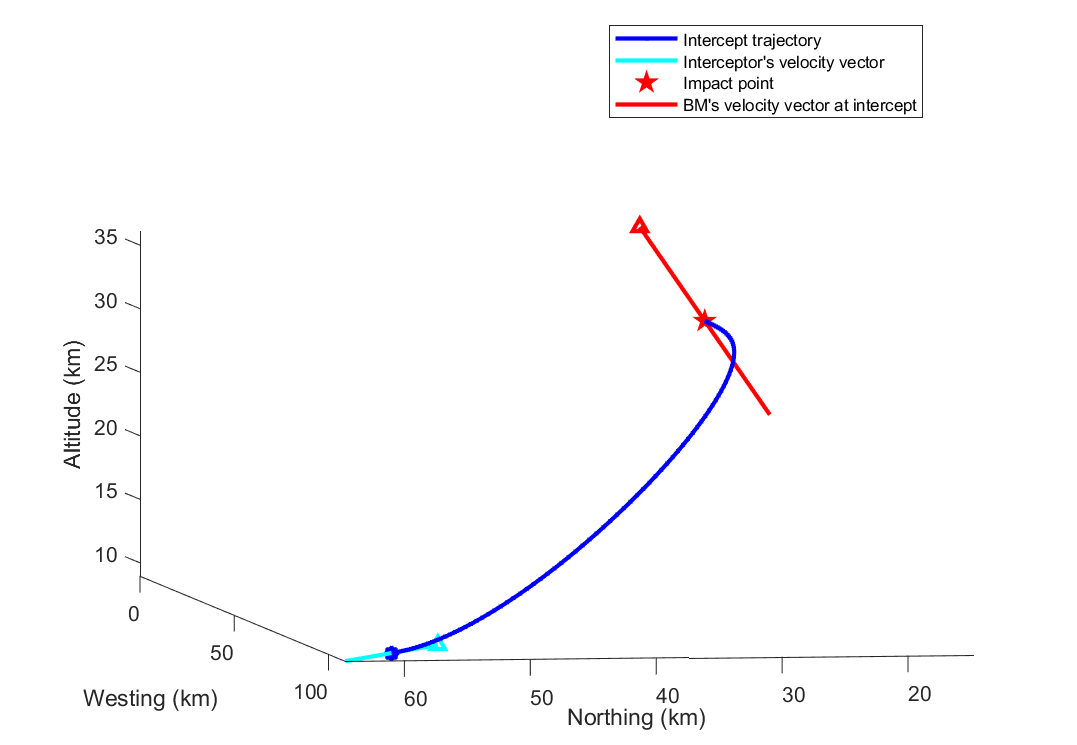
Our advanced G&C modeling optimizes across launch, midcourse, and terminal guidance routines rather than treating each layer as an isolated software component — the result is high-fidelity software from target tracking to missile-intercept. Our broader control-development portfolio includes embedded autopilots with classical PID control as well as modern nonlinear command filtered backstepping control, and model-predictive-control for UAVs, cruise missiles, and interceptors. For over 20 years we have validated our algorithms through continuously improved hardware and flight testing.
Navigation System Modeling
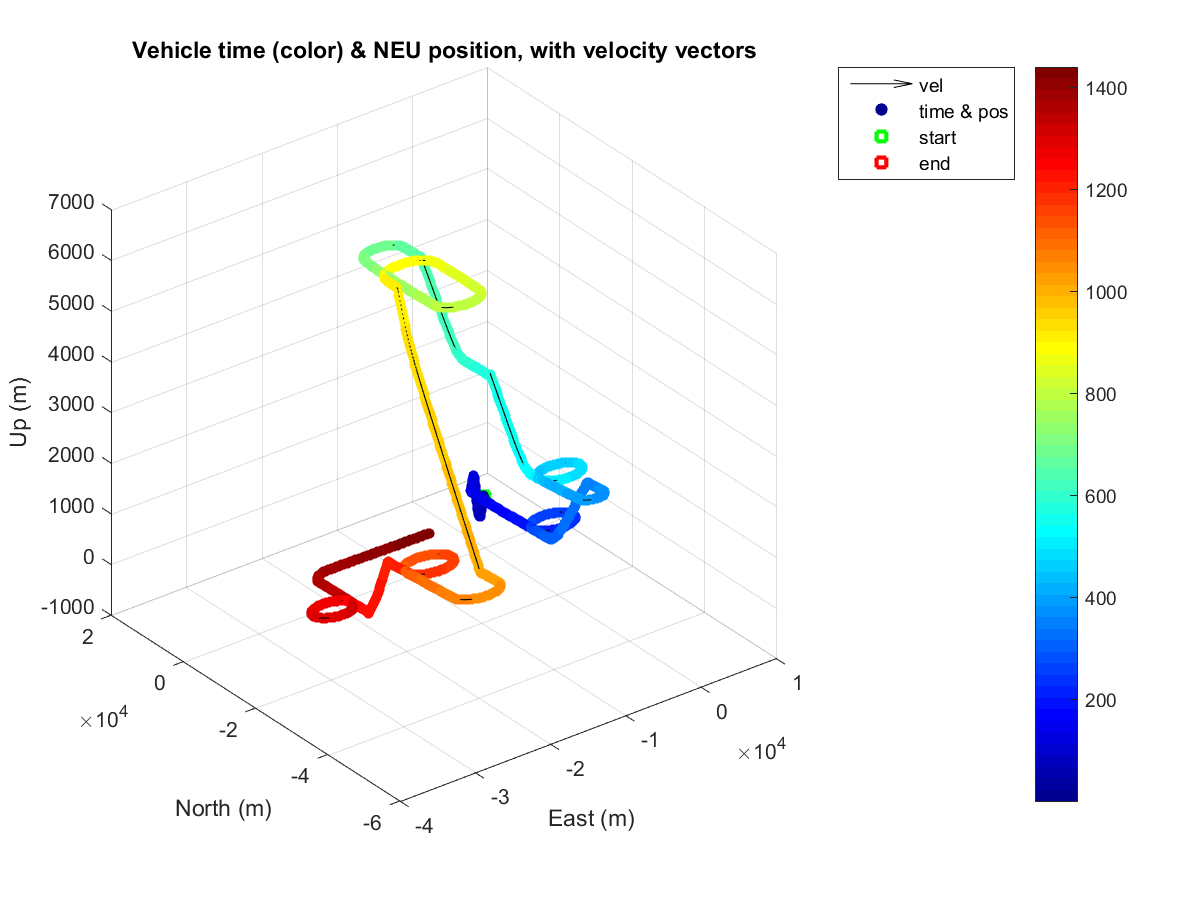
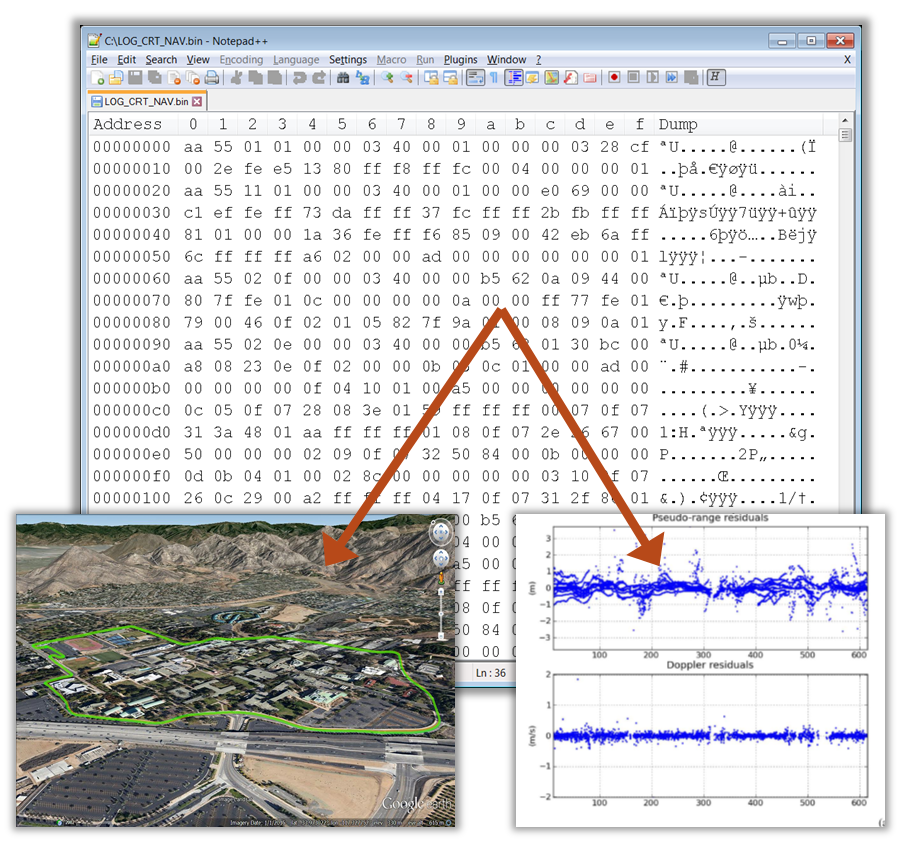
Our navigation work extends from sensor characterization and error modeling to GNSS-INS integration, EKF and full-nonlinear optimal Bayesian estimation, Maximum A Posteriori (MAP) estimation, trajectory reconstruction, simulation, and “ground truth” reference-solution generation. The broader RDT navigation-tool portfolio includes:
loosely and tightly coupled GNSS/INS methods,
differential carrier phase processing solving integers using MILES and MLAMBDA,
GPS-denied sensor-aiding models for baro, signals of opportunity (SOP), magnetometer, sonar, radar, and
nonlinear trajectory smoothing for sub-centimeter accurate “ground-truth”.
These tools support development and evaluation; product configurations are defined separately around the customer's requirement. That depth lets us investigate a discrepancy at its source, whether it begins in the sensor, the model, the estimator, the timing, or the implementation.
Avionics Integration & Test
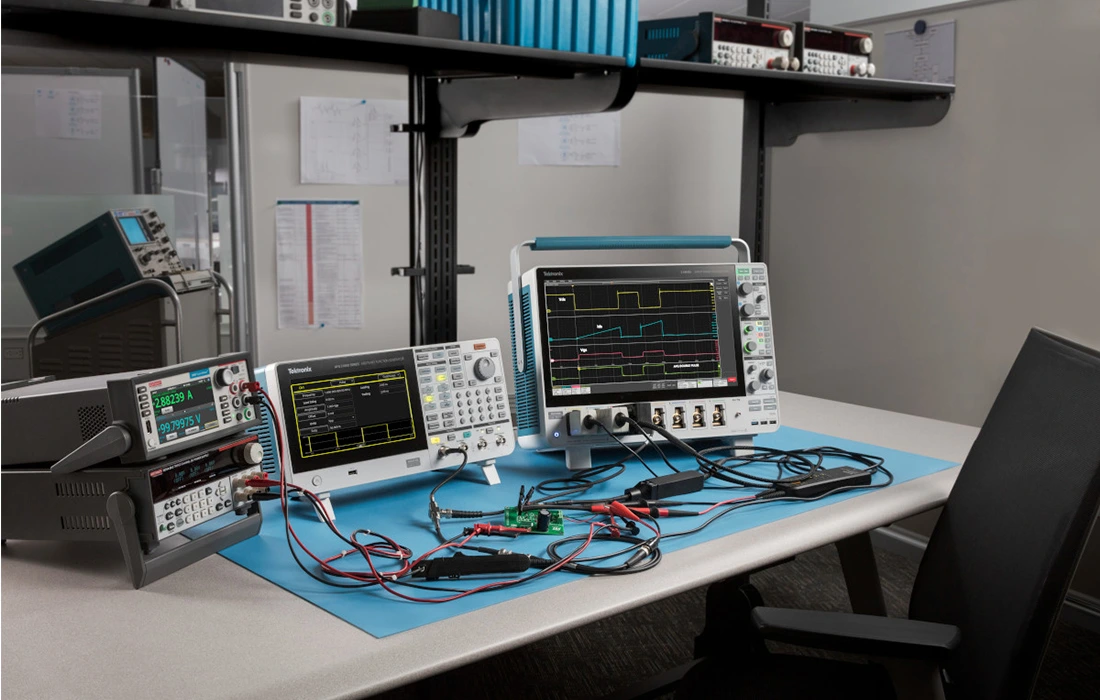
RDT carries avionics development through the interfaces that determine how the complete system behaves. Sensor timing, navigation outputs, actuator commands, real-time execution, communications, and ground-station interaction are considered together throughout integration.
Models and test results help us trace unexpected behavior to its source and evaluate how a change in hardware or software affects the vehicle. Our experience spans the governing equations, embedded implementation, electronics, and aircraft response.
Customers can engage RDT for a focused integration problem, an aircraft-specific implementation, or a broader avionics development and test effort.
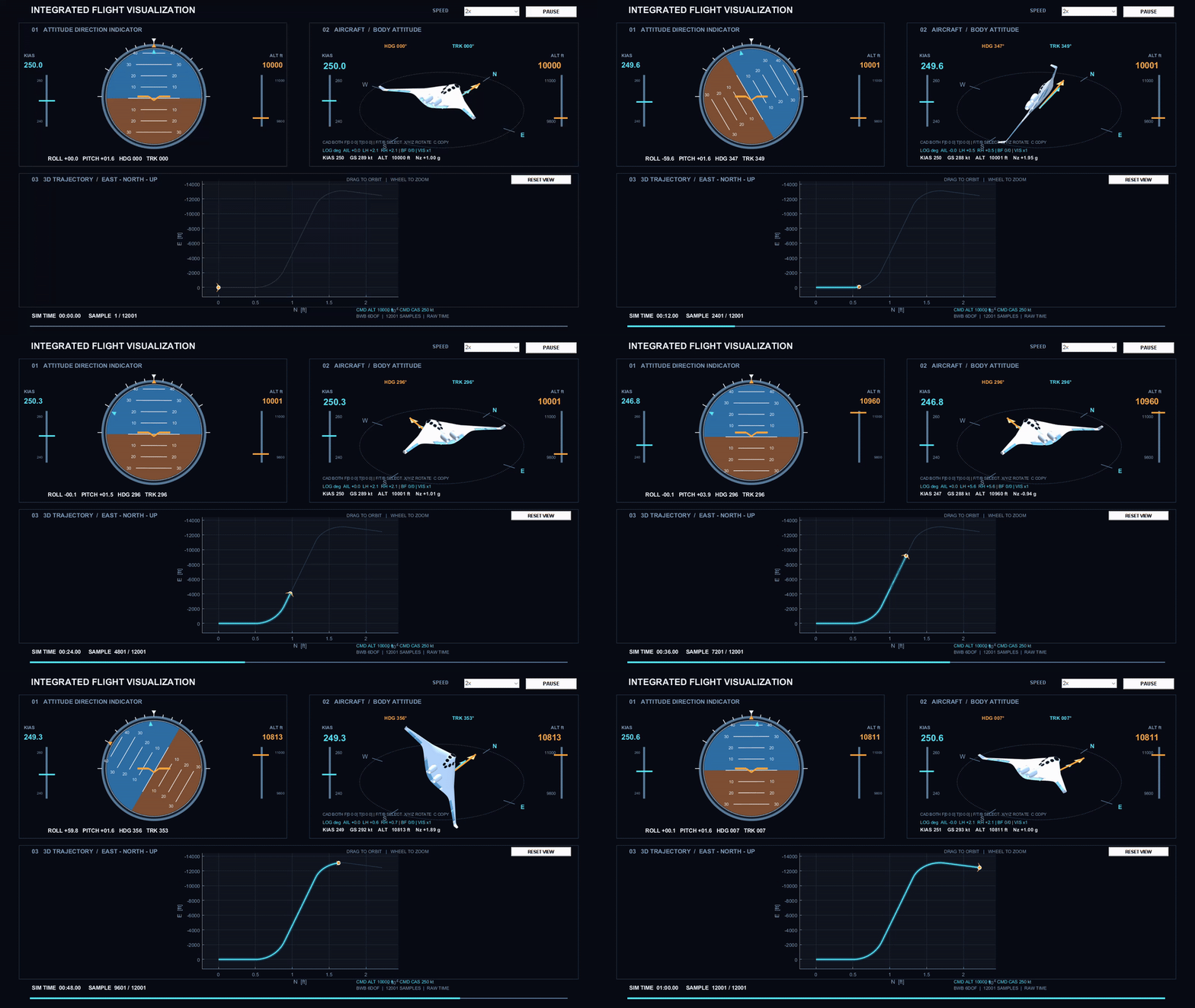
Real autopilot hardware. Advanced autonomy. Flight-tested engineering.
The RDT Autopilot combines advanced path planning, guidance, and vehicle control in dedicated hardware built for fixed-wing, rotary-wing, and multirotor applications. This is not a flight-control concept waiting for an aircraft. It is a product backed by hands-on development, flight testing, and an engineering history that includes operational military systems.
Mach 1.25. ±10 g. Experience beyond the simulation.
Our fixed-wing experience has covered flight regimes from hover to Mach 1.25 and positive and negative load factors up to ±10 g. That experience connects the control law to the system it commands: the aerodynamic model, navigation solution, onboard software, sensors, actuators, and actual vehicle response. We bring that complete-system perspective to autopilot integration. The goal is not simply to make an algorithm run. It is to make the aircraft behave as intended—and understand why it does.
The stated test envelope applies to the relevant fixed-wing configurations. It is not a universal rating for every supported vehicle or every combination of speed and load factor.
Start with an autopilot. Build around your mission.
Bring us the vehicle, the operating envelope, and the autonomy requirements. RDT brings existing autopilot hardware and the engineering depth to connect it to the platform.