
Aerospace Systems Engineering
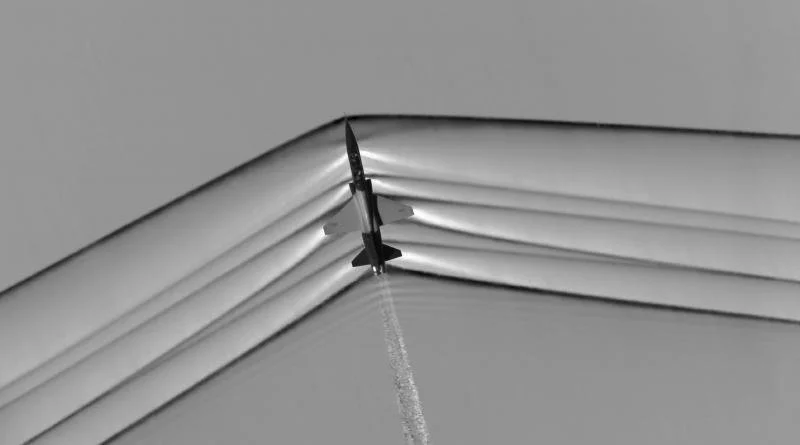
Aircraft engineering that has reached production.
Roysdon Defense Technologies brings hands-on aircraft design, analysis, simulation, manufacturing, and flight-test experience to the next aerospace challenge. Our work includes aircraft carried beyond the digital model and into physical construction, production, and military use. We helped design them, helped build them, developed their flight simulators, and analyzed what happened in flight. That is the engineering record behind RDT.
Production-aircraft experience.
Our founder’s aerospace production aircraft experience includes the BQM-167, BQM-177, MQM-178, GQM-173, CRaM, and 7 other aircraft and development programs. Across that portfolio, our contributions span aerodynamics, performance prediction, structural analysis, engine and propulsion analysis, CFD, wind-tunnel investigations, RCS, FEA, flight simulation, flight-data analysis, and post-flight accident investigations. Our hands-on experience connects the analysis to the realities of hardware, integration, and production. RDT brings that complete-aircraft perspective to design decisions from the beginning.
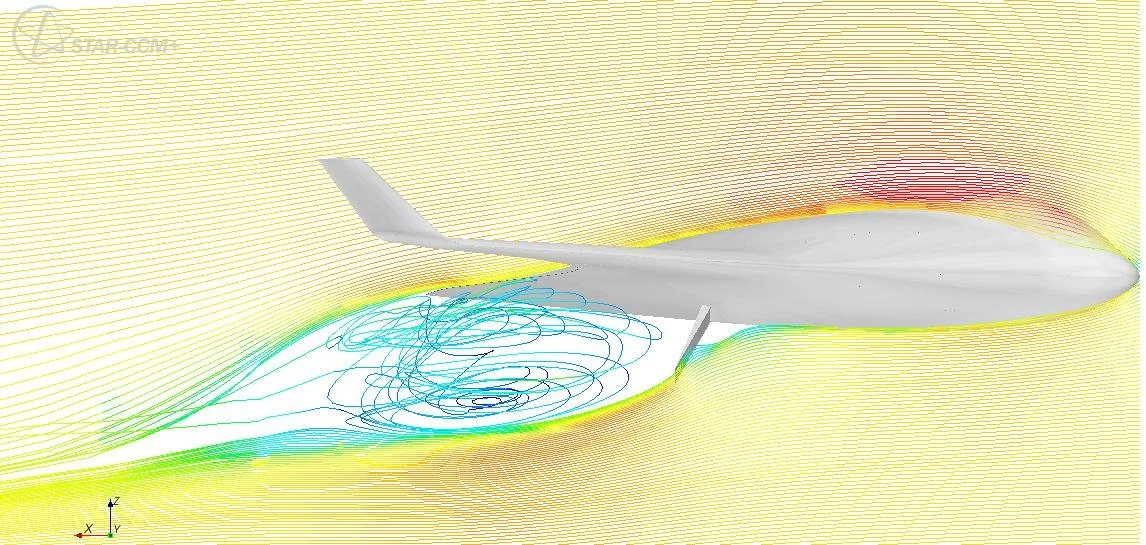
Product & Portfolio Exemplars
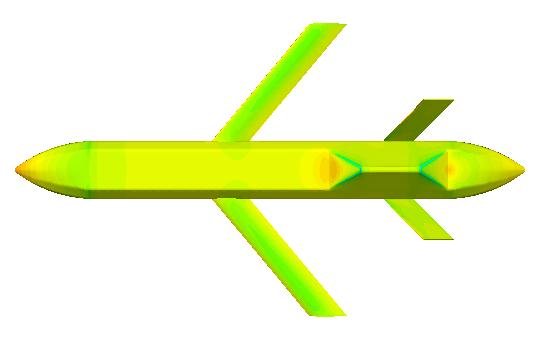
Extensive CFD and wind-tunnel work
Our aerodynamic work includes computational and experimental investigations across dozens of configurations, including production military aircraft and original blended-wing-body research. The purpose of an aerodynamic result is to support a decision: a configuration change, a performance prediction, a stability investigation, a simulation update, or a test plan.
We connect aerodynamic analysis with the rest of the vehicle. A shape has to do more than look efficient in a flow visualization. It must work with the aircraft's structure, propulsion, controls, and mission requirements.
We have experience in flight regimes spanning hover and low-speed flight through supersonic, hypersonic, and re-entry-class velocities approaching Mach 30.
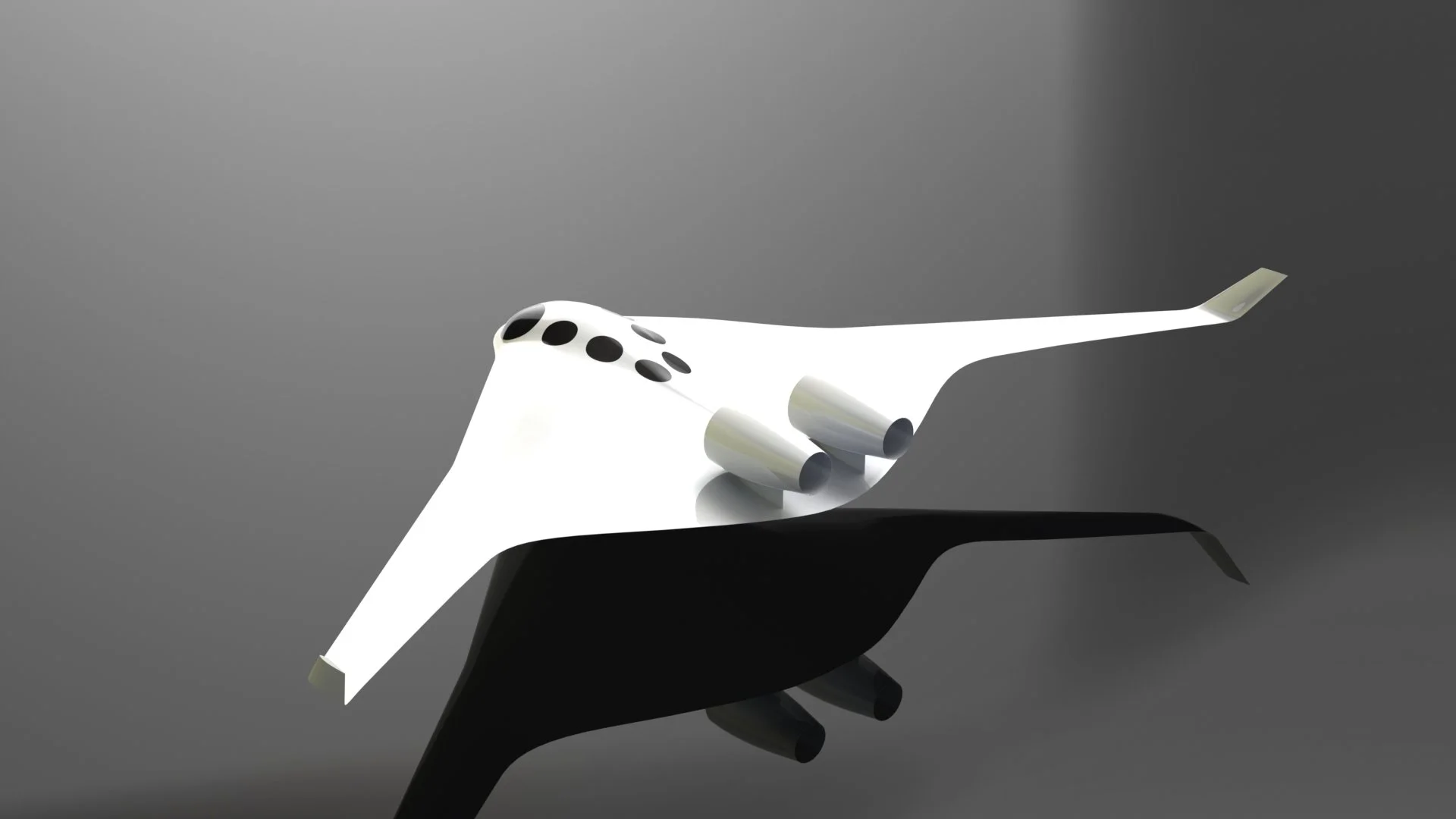
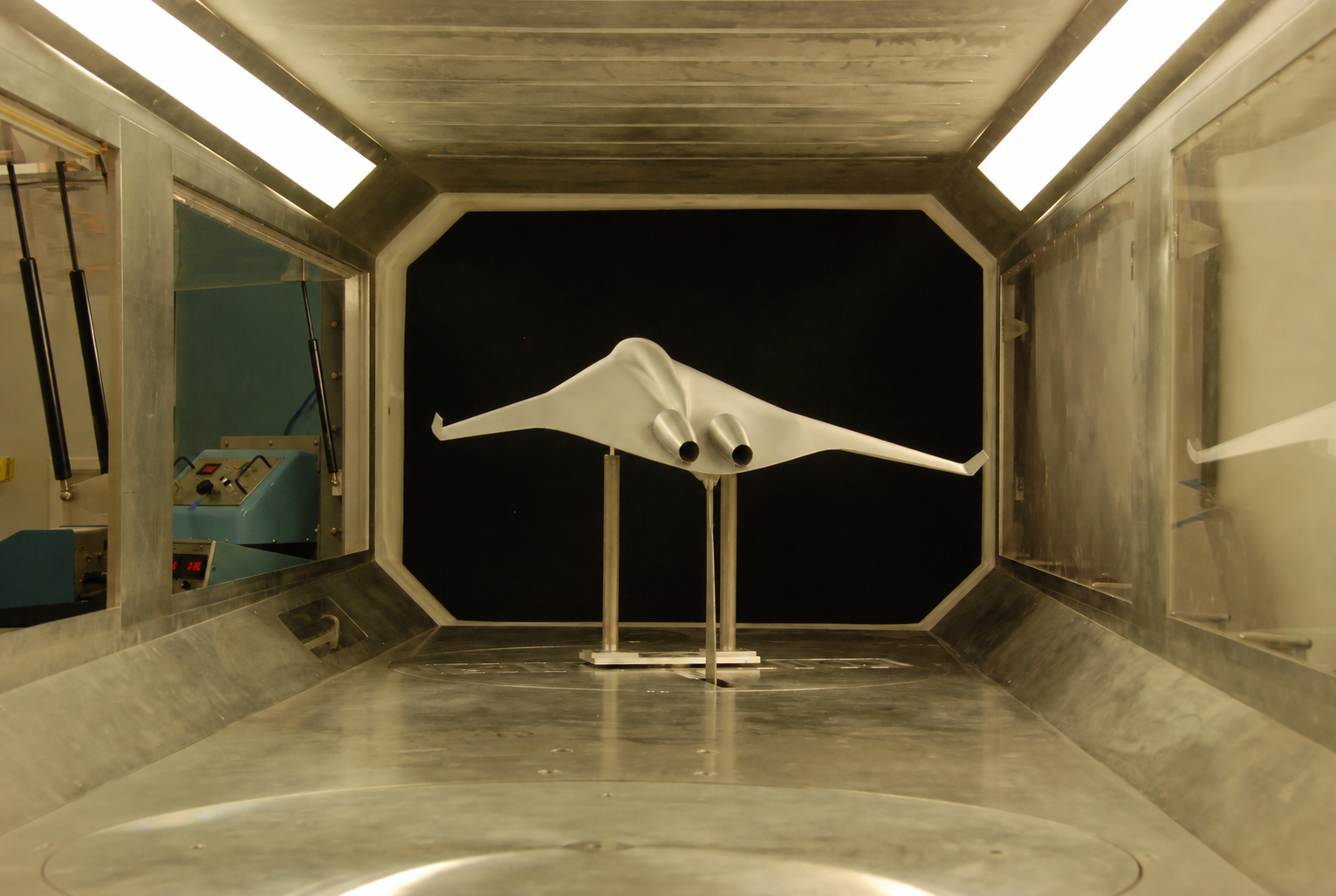
Original blended-wing-body research
From conceptual design and analysis, to wind tunnel testing and flight testing, our founder published business-jet-class blended-wing-body work brought together aircraft design, multidisciplinary optimization, and lateral-directional stability investigation. He authored the MATLAB-based design and optimization framework, integrating flow solvers, structural solvers, and aircraft-design relationships while generating a database for six-degree-of-freedom flight simulation.
The research investigated vehicle behavior through simulation, including takeoff and landing conditions. It was not simply a rendering of an unconventional aircraft; it was a connected design-and-analysis effort with published technical results.
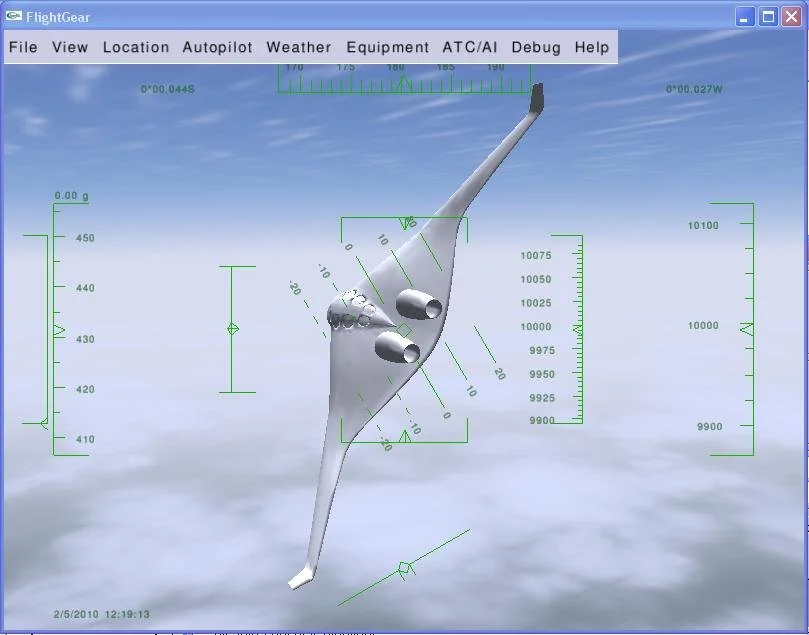
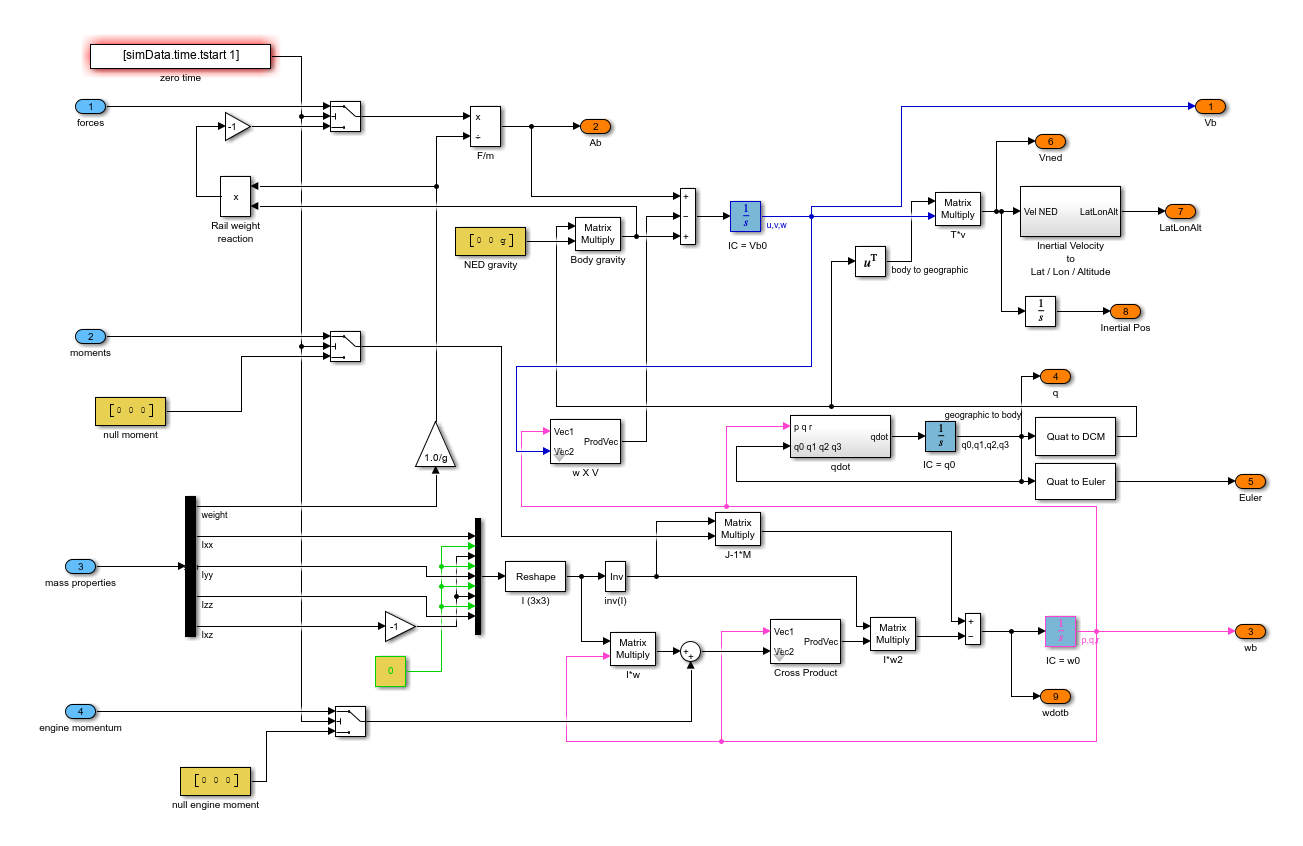
High-Fidelity 6DOF Flight simulators
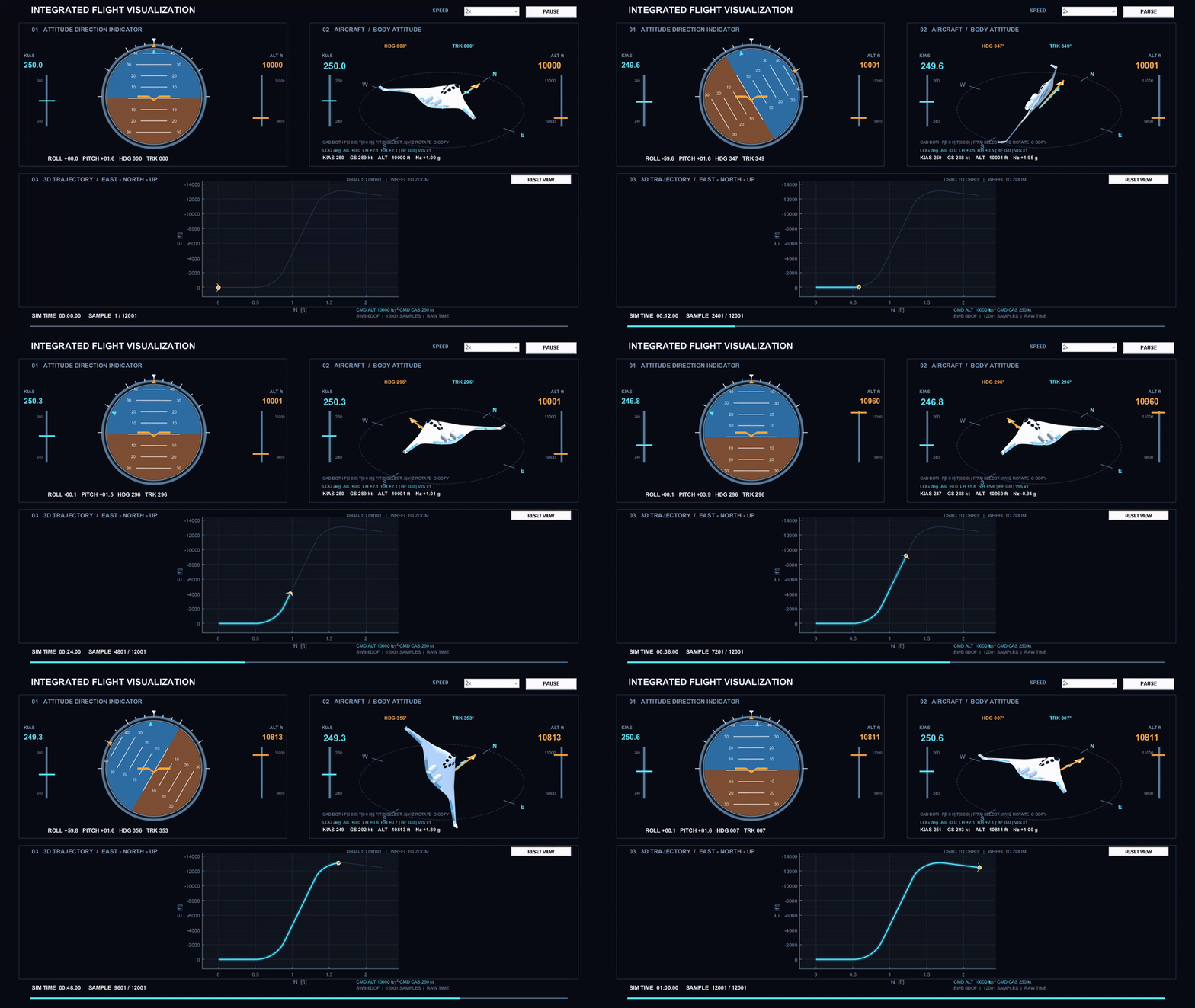
We have built 6DOF flight simulators for the 12 aircraft programs in our portfolio and used simulation as part of the development and analysis process, from design to flight testing.
RDT connects aerodynamic information, mass properties, propulsion, vehicle motion, and guidance and control in six-degree-of-freedom models. Our software portfolio also includes automated aerodynamic-database generation, wind-tunnel data reduction, and post-flight analysis tools.
The point is to keep the design, the model, and the test evidence connected. Simulation should inform the aircraft program, and measured behavior should inform the simulation.
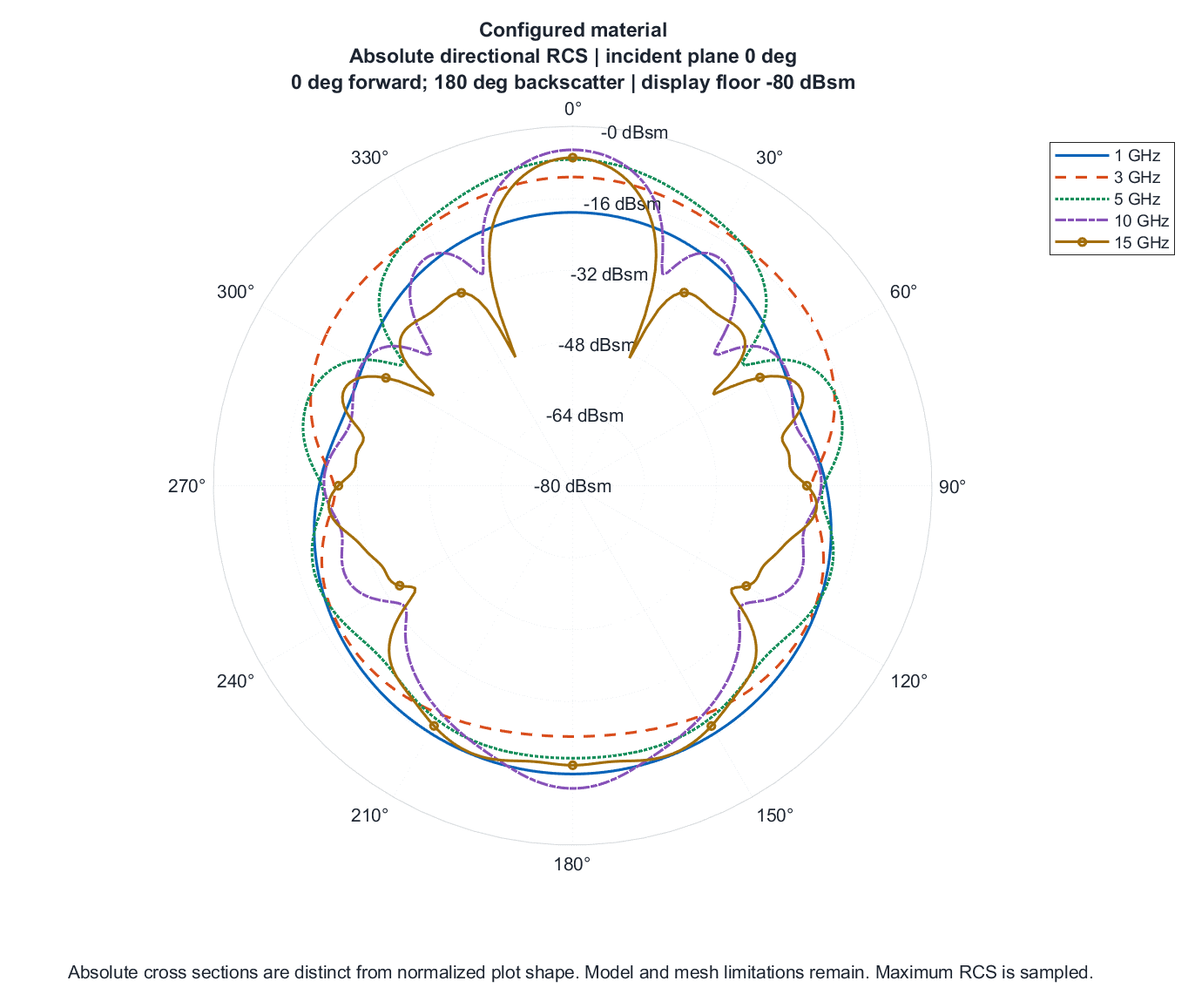
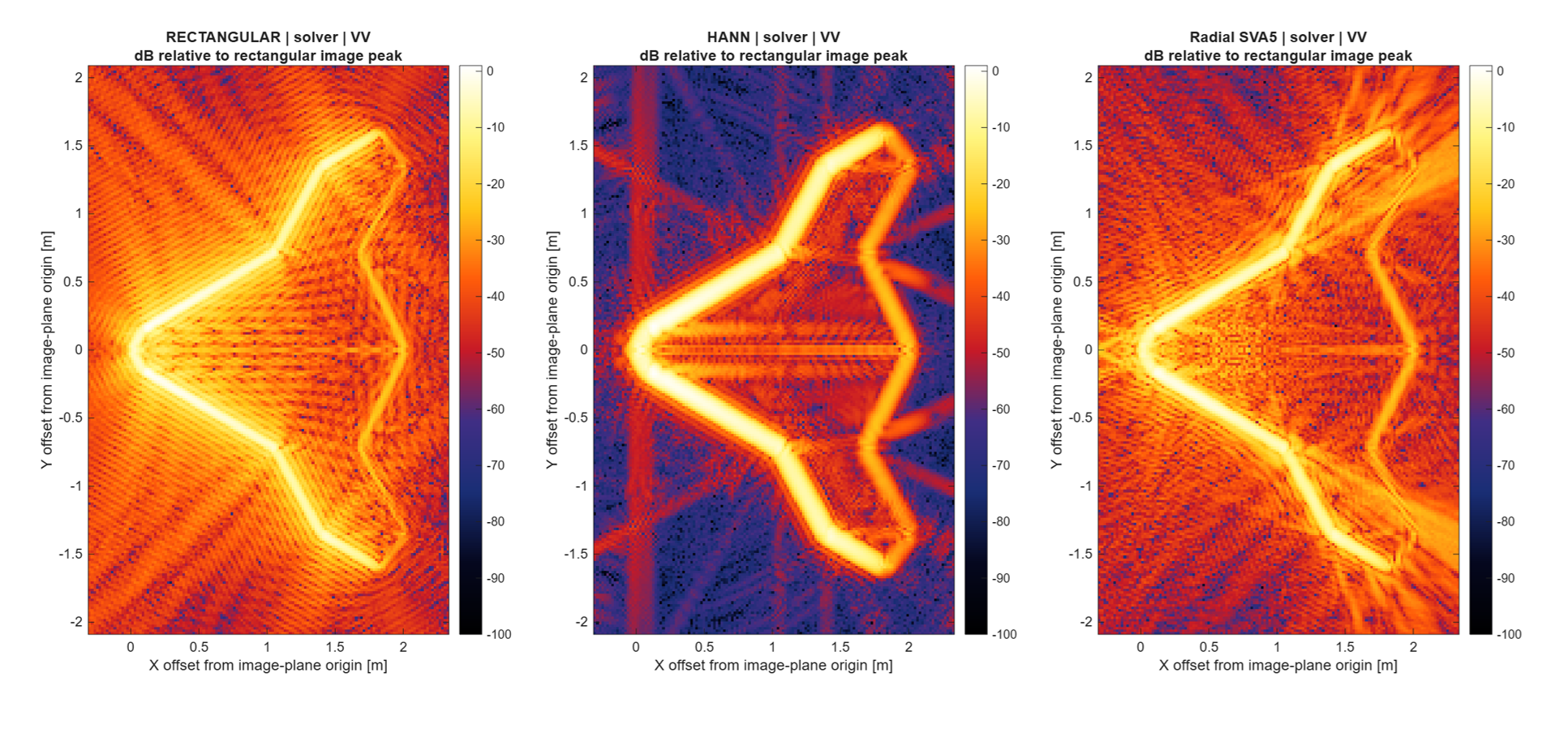
RCS Toolbox
Maxwell Lab is our in-house radar cross section (RCS) toolbox for electromagnetic simulation and visualization toolbox integrating the Method of Moments (MoM), Electric Field Integral Equation (EFIE), Physical Optics (PO), Shooting-and-Bouncing Rays (SBR), coherent radar imaging, and hybrid and diffraction methods. The toolbox supports configurable frequency sweeps from 1–15 GHz (L- through lower Ku-band), frequency-dependent material properties, and 3D geometries including imported STL/CAD models. Material modeling includes aluminum, titanium, iron-particle/polymer surface treatments, anisotropic carbon-fiber laminates, and dielectric materials. Large-scale simulations employ accelerated numerical methods, compiled FMM3D libraries, C++ interfaces, and multicore OpenMP processing.
Maxwell Lab features an interactive modern “glass-cockpit” interface for geometry inspection, electromagnetic analysis, and scientific visualization. Outputs include surface currents, near-field electric and magnetic distributions, 3D scattering patterns, polar plots, frequency responses, and coherent range profiles. Six electromagnetic metrics are reported: total scattering cross section, monostatic RCS, bistatic RCS, maximum sampled RCS, absorption cross section, and extinction cross section. Additional capabilities include mesh-convergence analysis, numerical diagnostics, scattering-feature traceback, and exportable CSV files, publication-quality figures, and illustrated HTML reports.
MaxLab provides a practical bridge between Maxwell’s equations, computational electromagnetics, and real-world RF engineering applications.
Precision Manufacturing & Advanced Materials
From digital design to flight-ready hardware—at the speed of innovation.
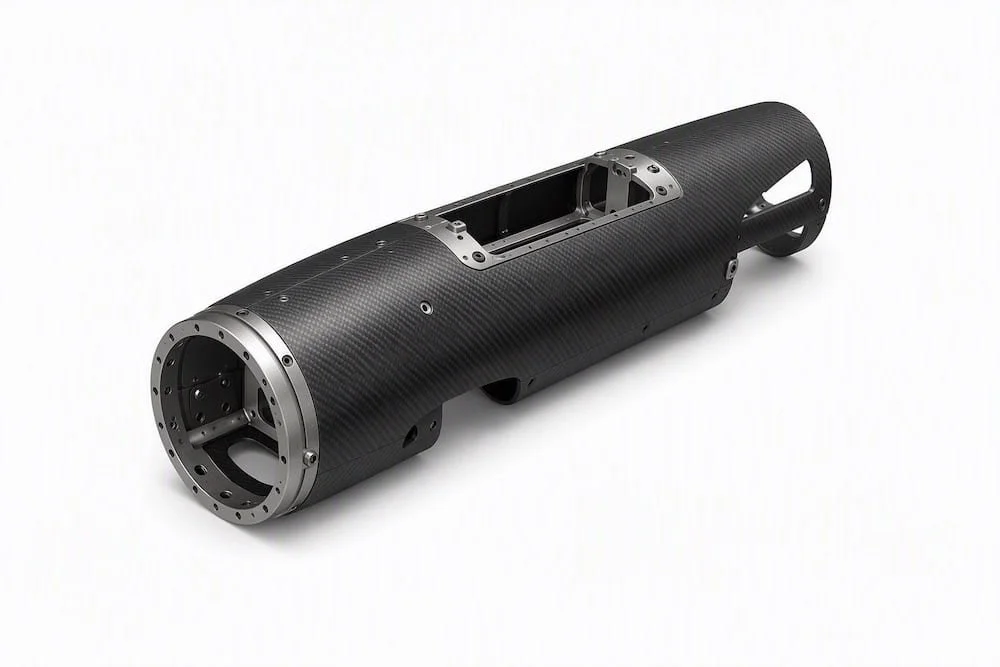
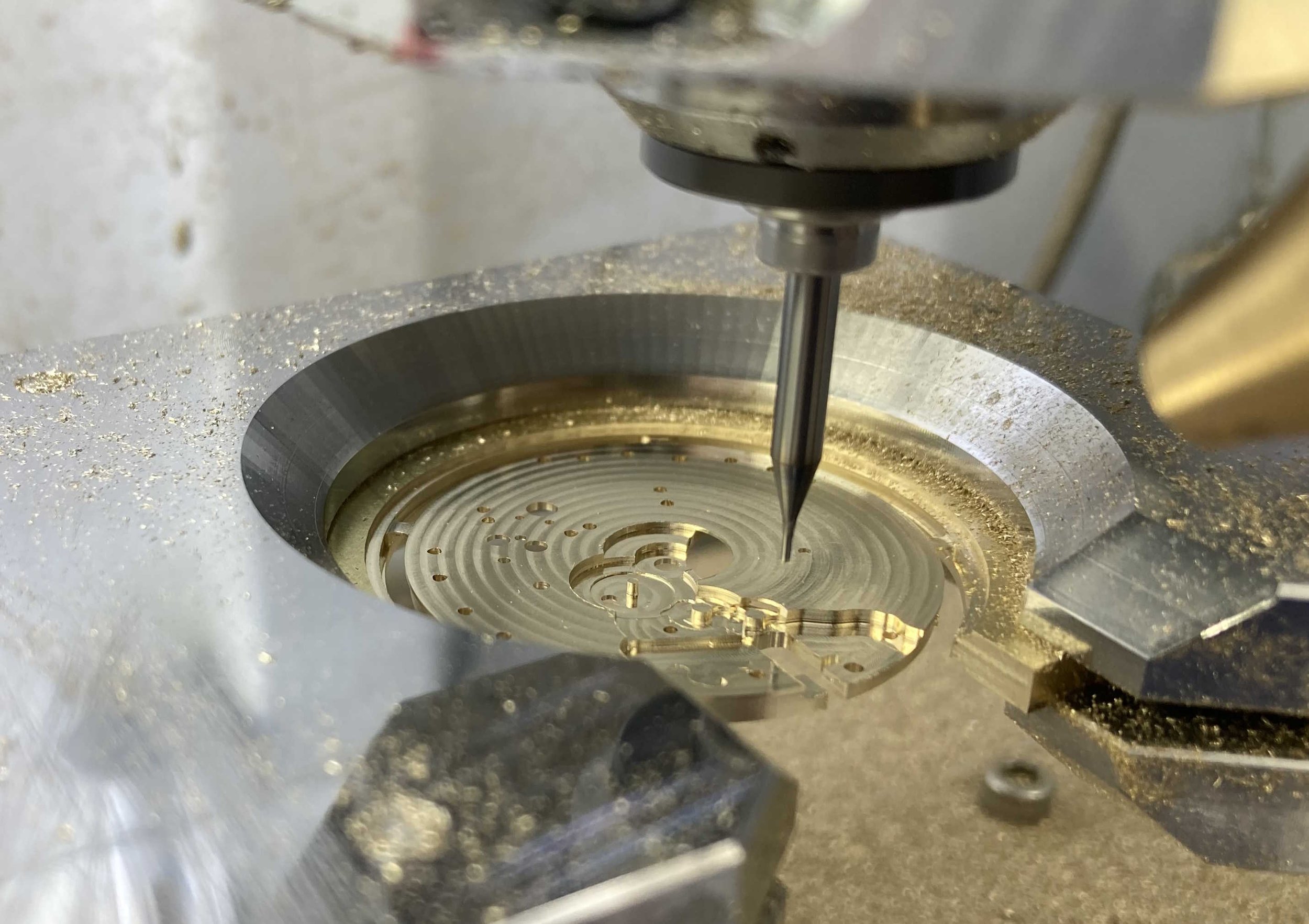
Roysdon Defense Technologies combines precision manufacturing, advanced composite materials, and rapid prototyping to accelerate the development of next-generation unmanned aircraft. Our vertically integrated approach brings together high-precision CNC machining (0.002 mm accuracy and repeatability), additive manufacturing, carbon-fiber composite fabrication, and advanced radar-absorbing materials (RAM) within a unified digital design and manufacturing workflow.
Our manufacturing capabilities emphasize lightweight, high-strength carbon-fiber structures, complex aerodynamic geometries, and the integration of radar-absorbing materials for aircraft designed with reduced radar signatures. By combining precision fabrication with advanced material systems, we can rapidly develop and refine airframes while balancing structural performance, weight, manufacturability, and electromagnetic characteristics.
Our objective is straightforward: compress the aircraft development cycle from months to weeks, and ultimately from weeks to days, without sacrificing engineering discipline or mission performance.
We stay with the problem after the flight.
Flight data can confirm a model. It can also expose an assumption that needs to change. Our experience includes post-flight performance analysis and accident investigations, bringing the same technical depth to understanding what happened as to predicting what should happen. That perspective shapes the entire development effort: build models that can be examined, retain the evidence needed to investigate discrepancies, and use the results to make the next engineering decision.
Build on a record of aircraft that left the drawing board.
Engage RDT for aircraft development, aerodynamic analysis, simulation, controls integration, or a difficult discrepancy between prediction and test. We bring more than an analysis capability. We bring experience with the aircraft—and the work required to make it real.